Industry leaders and stakeholders gather to discuss the future of regional food systems in the Northeast.
Steadfast Farms at the Northeast Food Systems Forum
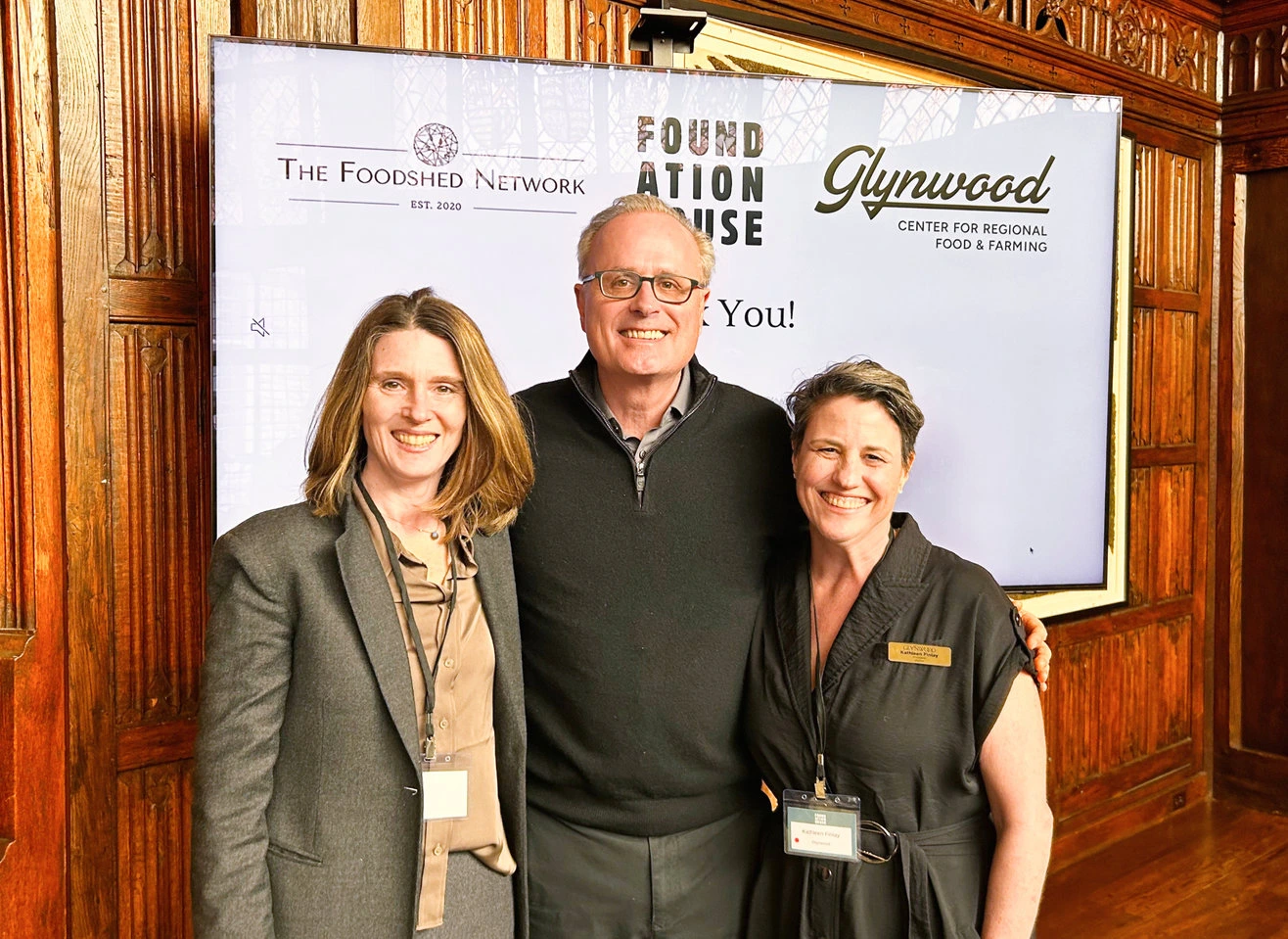
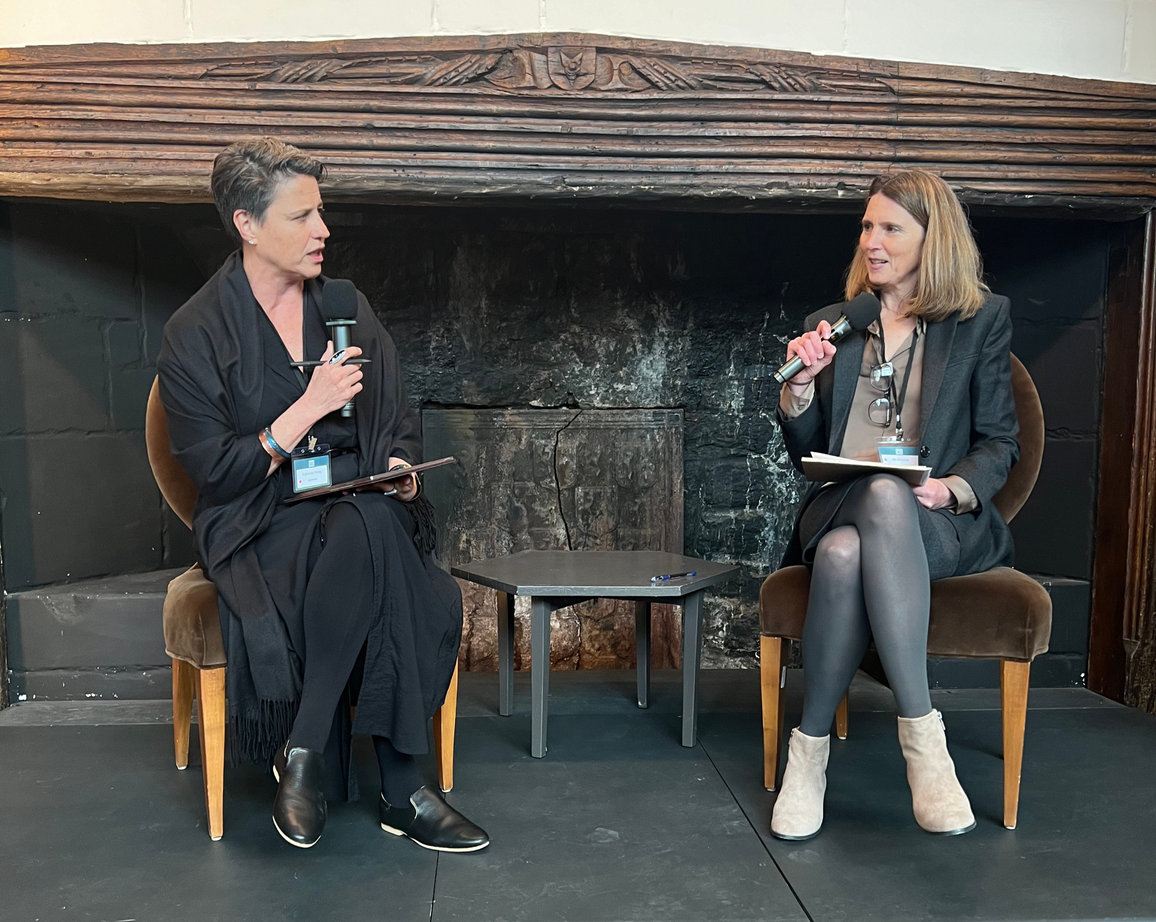
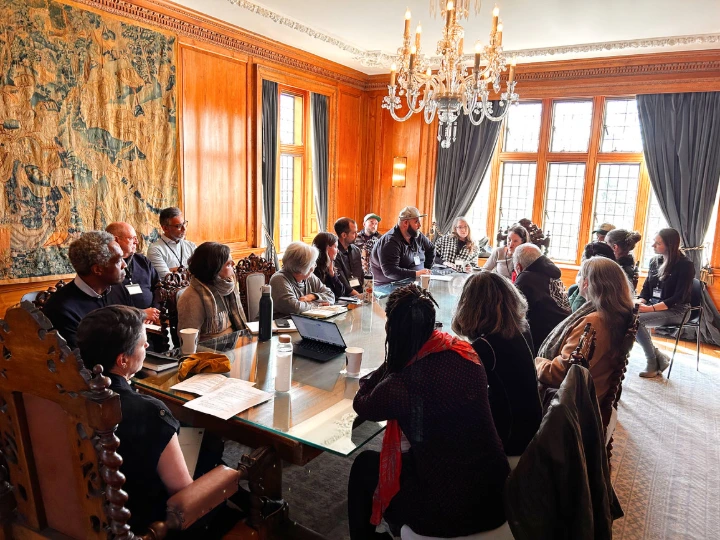
On March 13, 2026, Steadfast Farms joined Glynwood Center for Regional Food and Farming and The Foodshed Network at the Foundation House, 124 Old Mill Rd, Greenwich, CT 06831, USA, and had the opportunity to participate in the Northeast Food Systems Forum, joining leaders, nonprofits, investors, and producers committed to strengthening regional food systems.
Founder and CEO Jared McCool, alongside Director of Operations Aaron McCool, attended the event to engage in meaningful conversations around food access, sustainability, and the future of agriculture in the Northeast.
The forum brought together diverse perspectives, but one thing was clear: while momentum is building, real change will require rethinking how we approach food systems at a foundational level.
A Shared Focus on Strengthening Regional Food Systems
Throughout the forum, a central theme emerged: regional food resilience depends on stronger collaboration and more intentional systems.
Conversations highlighted the importance of:
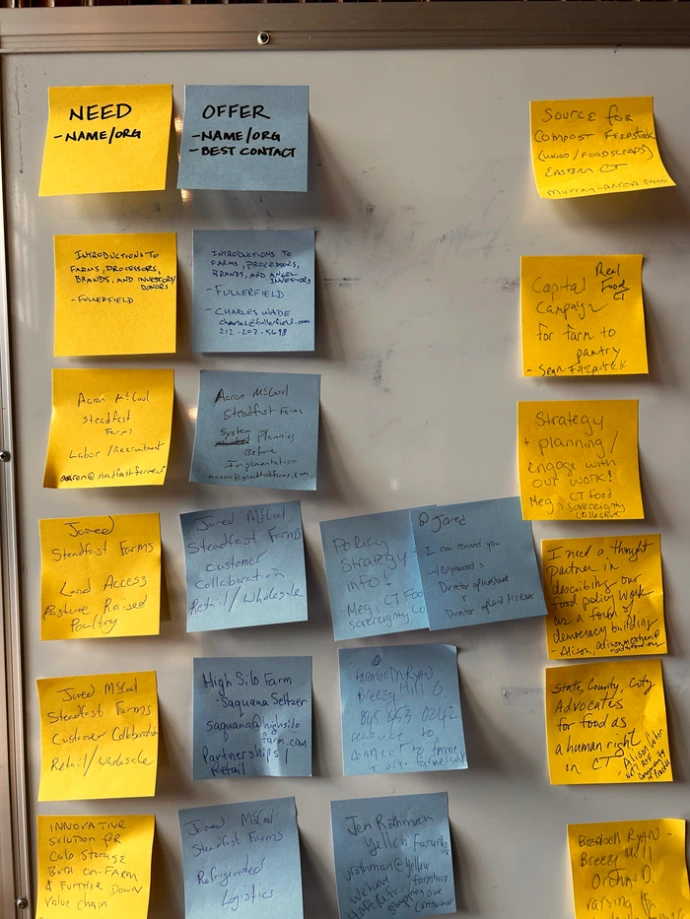
Building connections between funders, producers, and organizations
Investing in infrastructure that supports local agriculture
Creating scalable solutions that benefit both communities and farmers
There was a shared understanding that the Northeast has the potential to support a more self-sustaining food system—but only if all stakeholders are aligned and actively participating.
Key Takeaways from the Forum
The Need for Greater Connectivity
One of the most consistent themes across discussions was the need for better connectivity between organizations, funding sources, and on-the-ground producers. Without alignment, even well-intentioned efforts can fall short of creating lasting impact.
Shifting Paradigms in Food Systems
The forum also reflected a shift in mindset. Organizations are beginning to collaborate more openly, sharing resources and relationships rather than operating in silos. This shift toward trust-based approaches signals progress, but it must translate into action.
Bridging Communication Gaps
Another key challenge identified was the disconnect between nonprofits and impact investors. Different language, priorities, and expectations can create barriers. Making investment tools more accessible and understandable is critical to unlocking new opportunities.
Steadfast Farms’ Perspective: Where the System Falls Short
During our breakout session, we shared a perspective rooted in real-world agricultural operations—one that challenges some of the current approaches to food access and support.
The Disconnect in Food Access Models
A critical issue discussed was how food access programs currently operate. Many food pantries source products from the lowest-cost retailers, such as large discount grocery chains, rather than local farms.
While this approach may reduce short-term costs, it creates a disconnect:
Local farmers are left out of the supply chain
Regional economies miss opportunities for growth
The long-term resilience of the food system is weakened
If the goal is to strengthen local food systems, purchasing decisions must reflect that intention.
A More Sustainable Path Forward
Connecting Food Access to Employment
One of the solutions we proposed is shifting the model from pure food distribution to opportunity creation.
Instead of relying solely on handouts, there is an opportunity to connect individuals seeking food assistance with employment opportunities on local farms.
Farms can offer:
Competitive wages
Hands-on training and skill development
Access to fresh, locally grown food as part of employee benefits
This approach not only addresses immediate needs but also creates pathways toward long-term stability.
Building a Two-Way Local Food Economy
A strong food system is not one-sided. Farmers want to support their communities but that support must be mutual.
Communities, organizations, and institutions all play a role in:
Choosing to source locally when possible
Supporting regional producers
Reinforcing systems that keep resources within the Northeast
When both sides invest in each other, the result is a more resilient and sustainable food economy.
Why This Matters for the Future of Local Agriculture
The future of agriculture in the Northeast depends on more than innovation—it depends on alignment.
By focusing on:
Workforce development in agriculture
Strengthening local supply chains
Keeping dollars circulating within the region
we can build a system that is not only sustainable but scalable.
Short-term solutions may address immediate needs, but long-term resilience requires structural change.
Looking Ahead: Turning Conversations Into Action
Events like the Northeast Food Systems Forum are important for bringing people together, but the real work happens after the conversations end.
At Steadfast Farms, we remain committed to:
Exploring practical, scalable solutions
Building partnerships across the region
Contributing to a food system that works for both producers and communities
We believe that meaningful change will come from action, collaboration, and a willingness to challenge the status quo.
A Call for Practical, Local Solutions
The Northeast has the resources, the talent, and the demand to build a stronger regional food system.
What’s needed now is alignment.
Supporting local producers, rethinking how food access is structured, and creating opportunities for participation not just assistance are critical steps forward.
The conversation has started. Now it’s time to act.
FAQ
What is the Northeast Food Systems Forum?
The Northeast Food Systems Forum is a collaborative event that brings together stakeholders across agriculture, nonprofits, and investment sectors to discuss strategies for strengthening regional food systems.
How can local farms improve food access?
Local farms can improve food access by supplying fresh food directly to communities and creating employment opportunities that provide both income and food benefits.
Why is buying local important for food systems?
Buying local supports regional economies, strengthens supply chains, and helps build long-term food system resilience.
Are government subsidies enough to fix food systems?
Subsidies can provide short-term support, but long-term solutions require sustainable economic participation, workforce development, and local investment.
How can agriculture create job opportunities?
Agriculture offers hands-on work, skill development, and stable employment opportunities, often paired with additional benefits like access to fresh food.