Run the Day: Start to Finish Execution
Running the Day
Start to Finish Execution
A strong Facility Manager runs the day. They do not chase it.
Running the day means:
- Starting prepared
- Stabilizing startup
- Staying ahead of risk
- Holding standard under pressure
- Closing clean and ready for tomorrow
A good day is built on purpose, hour by hour.
What Great Daily Execution Looks Like
A well-run day is controlled, visible, and on standard.
Controlled Day
- Starts on time and prepared
- Supervisors know the plan
- Gaps are addressed early
- Production stays inside standard
- Problems are caught small
- Leadership knows where the risk is
- Day ends clean and ready for tomorrow
Reactive Day
- Starts with confusion
- Gaps show up after startup
- Problems spread before action
- Standards drift under pressure
- Leaders learn about issues late
- Team works hard without control
- Day ends with carryover and surprises
Before Startup: Clear the Risk
Most bad days are created before the line starts.
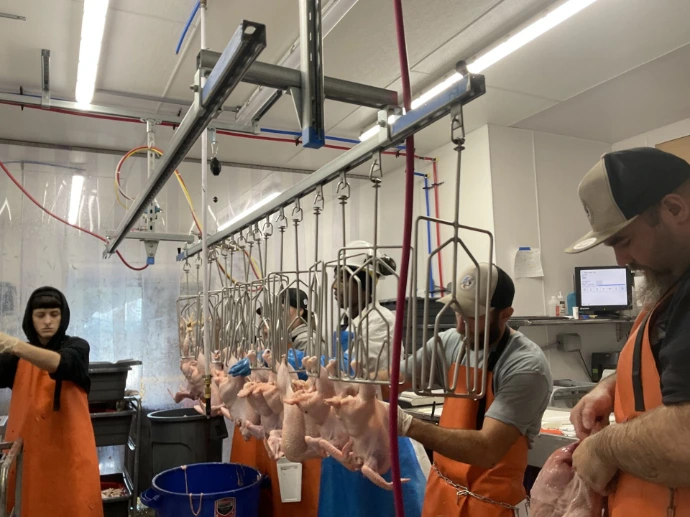
People
- Labor is in place
- Weak spots are covered
- Supervisors know the plan
- Priorities are clear
- Risk areas have ownership
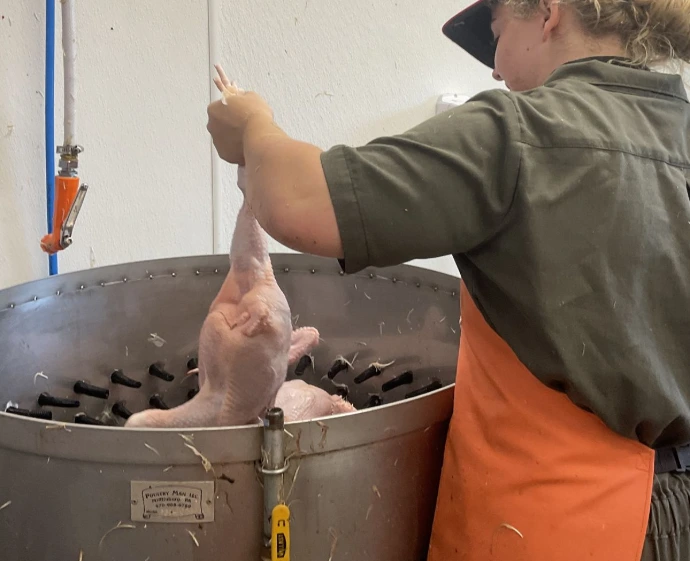
Equipment
- Critical equipment is ready
- Repeat issues are addressed
- Temporary fixes are known
- Backup plans are clear
- Maintenance risk is visible

Materials
- Packaging is staged
- Ingredients are available
- Tools and supplies are ready
- Product flow path is set
- Startup shortages are known

Compliance
- Pre-op status is confirmed
- QA checks are ready
- USDA-facing requirements are covered
- Food safety checks are ready
- Yesterday’s open issues are closed or controlled
Before the line starts, know this:
- What are we running?
- What can stop us?
- What is the backup plan?
- Who owns each risk?
Do not start on hope.
Start on readiness.
Before the first bird is processed or the first product moves, you must confirm that the basics are in place.
It's more than just the USDA compliance pre-operational sanitation checklist.
It is the difference between being surprised and prepared.
The First Hour Sets the Day
The first hour tells you whether you are running the day or the day is running you.
This is not office time.
This is floor time.
In the first hour, watch for:
- Slow startup
- Missing labor coverage
- Equipment instability
- Product flow interruptions
- Missed checks
- Quality drift
- Supervisors getting buried
Confusion on priorities
Do this immediately:
- Get on the floor
- Watch the flow
- Listen to supervisors
- Fix instability now
If the operation is unstable in the first hour and you do not correct it, the rest of the day becomes recovery work.
Stay Where the Risk Is
A Facility Manager should not manage the day from one spot.
Go where failure hurts fastest:
- Startup areas
- Constraint points
- Repeat-down equipment
- Weak leadership areas
- Quality or food safety risk points
- Changeovers and handoff points
- End-of-line or pack-out when flow is backing up
Walking the floor only matters if you are checking for:
- Drift from standard
- Flow slowing down
- Gaps in leadership coverage
- Pace versus plan
- Early signs of bigger failure
Your presence should create clarity, pace, and accountability.
Run the Floor in Real Time
Manage:
- Pace versus plan
- Labor deployment
- Downtime response
- Product flow between departments
- Bottlenecks and accumulation
- Quality, yield, and giveaway
- Food safety execution
- Housekeeping and organization
- Supervisor effectiveness
Stay ahead of the next 1 to 2 hours.
Keep asking:
- Where are we slipping?
- What is building behind this issue?
- What gets worse in the next hour if we leave it alone?
- Are we pushing faster than the team can run correctly?
- Who owns the correction, and how do I know it is working?
If you only manage what is already obvious, you are late.
When pace starts driving bad decisions, reset control:
- Reassign labor
- Slow the line
- Escalate maintenance
- Stop non-critical work
- Reset supervisors on priorities
- Pause and recover the standard before moving again
A controlled day beats a fast day that fails later.
Run by Rhythm, Not Noise
Reactive: Noise Driven
Chases the loudest problem- Lets interruptions reset priorities
- Bounces from issue to issue
- Forgets to verify fixes held
- Leaves supervisors guessing
- Loses control a little at a time
Effective: Rhythm Driven
- Checks highest-risk areas first
- Reconnects with supervisors on purpose
- Reviews pace against plan through the shift
- Rechecks labor after breaks and changes
- Watches repeat problem points
- Confirms fixes held
- Keeps priorities clear
Keep moving.
Use Reset Points During the Day
- Are we still on plan?
- Are standards still being held?
- Has labor drifted?
- Are supervisors still in control?
- Is any issue getting normalized that should be corrected now?
- Are we creating a problem for second shift, sanitation, shipping, or tomorrow?
Use reset points:
- After startup stabilizes
- Before and after breaks
- Before product or line changes
- After downtime events
- Mid-shift
- Before closeout
Reset points stop slow failure before it turns into loss.
Close the Day Clean
The day is not done when production stops.
A Facility Manager closes the floor, clears loose ends, and reports the real condition of the operation.
Before the day ends, confirm:
- Production versus plan
- Open downtime or equipment risk
- Product holds, rework, waste, and disposition
- Staffing gaps or people issues
- Sanitation and cleanup priorities
- Startup risks for tomorrow
- Who owns each open item
Do not leave:
- Unknowns
- Vague ownership
- Missing information
- Preventable surprises for tomorrow
Good managers do not just finish the shift.
They protect the next start.
Report Up With Facts
Leadership does not need soft language.
Leadership needs the real picture.
Report:
- What happened
- What it cost
- What is still open
- What you already did
- What support or decision is needed
Weak report-up sounds like:
- “We had some issues.”
- “Maintenance is aware.”
- “It should be fine tomorrow.”
Strong report-up sounds like:
- Line 2 lost 42 minutes to seal bar failure. Temporary fix is holding. Parts are needed before tomorrow startup.
- Pack-out is short two people. Cross-cover is needed at 6:00 a.m.
- One product hold remains open. QA disposition is pending. Product is identified and separated.
Finish clean.
Report clearly.
Protect tomorrow.
Daily Execution Standard
A strong Facility Manager runs the day with the same discipline every time:
- Start prepared
- Get on the floor early
- Stay where the risk is
- Hold standard under pressure
- Correct drift before it spreads
- Keep supervisors aligned
- Close clean and report clearly
The goal is not to survive the day.
The goal is to run a controlled, compliant, efficient operation from start to finish.
Moving Forward
Running the day well means more than staying on schedule and solving problems as they come. The next section shifts from execution to ownership, how a strong Facility Manager thinks, prioritizes, and makes decisions as if the operation is their own.
Commenting is not enabled on this course.