Think Like an Owner
Think Like an Owner
Run the operation knowing controllable decisions drive business performance.
Thinking like an owner is not about title.
It is about how a Facility Manager thinks when making decisions, using resources, setting standards, and leading the operation.
A strong manager understands this:
Every day, the facility is either protecting margin or giving it away through controllable decisions about:
- people
- labor
- materials
- equipment
- execution
This is not finance theory.
This is operating reality.
Equipment
Execution
Materials
Labor
People
What Ownership Thinking Means Here
Thinking like an owner means understanding that daily operating decisions affect business performance.
It means:
- seeing cost in real time
- protecting controllable contribution
- using labor with discipline
- building the right team, not just filling holes
- controlling materials and supplies
- protecting equipment and assets
- refusing to accept avoidable loss
- running the operation like waste, downtime, and weak execution matter
You may not own the company, but you are accountable for the business performance of the operation.
What You Control Drives Contribution
You do not control everything.
But you do control a large share of what affects performance and cost inside the facility.
You do not control
- market price
- customer demand
- freight issues
- outside supply disruption
you do control
- who gets hired
- how people are trained
- how staffing is built
- where labor is placed
- how man-hours are used
- whether overtime is created or prevented
- whether materials are stocked, managed, or wasted
- whether equipment is protected or burned up
- whether standards hold
- whether repeat loss is corrected
Reactive Thinking vs Thinking with Ownership
The difference is not effort.
The difference is what you are paying attention to.
Thinking with Ownership
- We protect Margin.
- We hit the number the right way.
- Corrective actions in the moment.
- Use labor, materials, and equipment with discipline
- Owning follow-through.
- Protecting tomorrow while running today.
Reactive Thinking
- Got through the day.
- Chases volume without control.
- Accept waste as normal.
- Patch problems and moves on.
- Accepts repeat loss.
- Recovers instead of fixing.
- I told someone else.
- Its not a big deal.
Owner-minded managers focus on performance, cost, stability, and repeatability.
This operation does not need explanations.
It needs control.
The 5 Areas of Controllable Contribution
A strong Facility Manager sees contribution through five controllable areas.
When these five areas are controlled, the operation is stronger.
When they are loose, margin erodes fast.
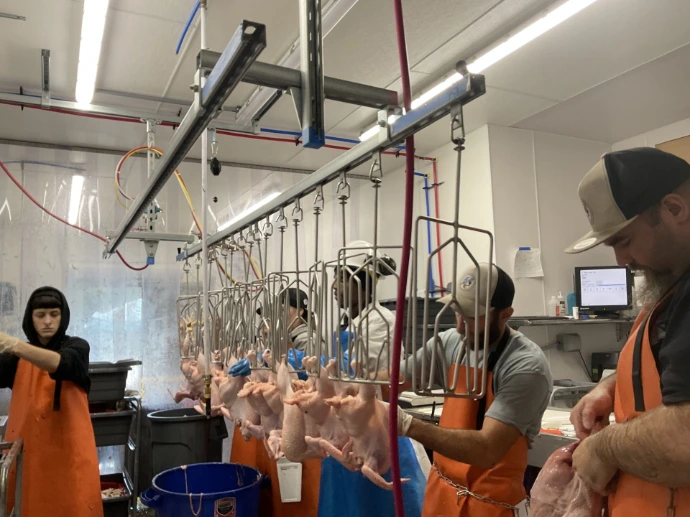
People
Hiring, retention, training, capability, supervision, bench strength.
Each part of this process cost resources, and the more we are rolling over employees the more it costs. So hiring the right people, and training them well once maters.
Poor people decisions create:
- repeat mistakes
- slower execution
- supervision burden
- overtime pressure
- instability in critical areas
The right people, trained the right way, strengthen the operation every day.
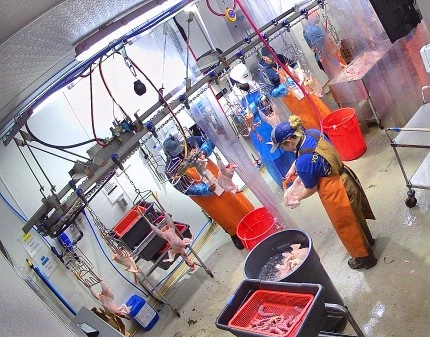
Labor
Man-hours, deployment, overtime, role fit, productivity, leadership coverage.
The right person might be worth $23/hour but if everyone in the room has a high pay rate, you get less man hours overall to complete any specific task. Choosing who can do what matters.
You may find you want a runner at $17.50 who over time learns on the job but helps keep skilled labors in place so they move less.
Poor labor structure creates:
- unnecessary overtime
- too many hours for the result
- weak coverage in high-risk areas
- cross-cover that becomes normal
- startup instability
Labor is not just a schedule.
It is controllable contribution.

Materials
Vacuum bags, poultry boxes, labels, ingredients, chemicals, PPE, cleaning supplies.
While we need all of these in house setting a par matters. If you have to much you tie up capitol that could go to payroll, equipment or growth. To little and you run out and can't meet production schedules.
Poor material control creates:
- shortages
- waste
- substitutions
- line disruption
- rushed decisions
Materials must be available, staged, controlled, and not wasted through poor discipline.

Equipment
Uptime, care, maintenance follow-through, repeat failures, asset protection.
Every time we replace a knife thrown away or an O-ring is broken ahead of its expected use the facility costs more than it should.
Poor equipment discipline creates:
- more downtime
- more repairs
- unstable performance
- shorter equipment life
- higher operating cost
- higher food safety risk
Protect the asset.
Protect the operation.

Execution
Downtime, yield, waste, rework, startup, changeovers, sanitation, standards.
- Time to lean, time to clean
- Take your time, do it now
Wasted Motions, repeatable routines, and hidden breaks all eat up margin and are controllable.
Poor execution creates:
- controllable loss
- daily recovery work
- lower stability
- weaker output quality
- higher labor and material cost
Execution either protects contribution or gives it away.
When these five areas are controlled, the operation is stronger.
When they are loose, margin erodes fast.
People Are a Business Decision
Hiring, training, and staffing are not support work.
They are business decisions.
Poor hiring weakens execution.
Poor training creates mistakes, rework, downtime, safety risk, and supervision burden.
Poor staffing creates overtime, instability, and daily recovery work.
You do not fill holes and call it management.
You build a team that can run the operation correctly.
That means:
- the right people are in the building
- they are trained to standard
- they are placed where they create value
- capability is being built
- weak people decisions are corrected before they become normal
People decisions protect margin or erode it every day.
Poor People Decisions Create
- overtime
- rework
- poor discipline
- supervision burden
- repeat mistakes
Strong People Decisions Create
- stability
- capability
- coverage
- lower labor waste
- stronger execution
Labor Must Be Built, Not Just Scheduled
Labor Protects Margin Through Structure and Deployment
People are who you have.
Labor is how you use them.
Labor protects margin when:
- the right person is in the right role
- support matches the work
- leadership coverage is in the right places
- man-hours match the demand
- overtime is controlled
- labor is not compensating for weak flow or poor structure
Weak labor control erodes margin through:
- too many hours for the result
- avoidable overtime
- misplacement of skilled labor
- weak coverage
- constant cross-cover
- recovery work caused by poor execution
Labor is not a schedule.
Labor is controllable contribution in motion.
Materials and Supplies Must Be Controlled
Owner-minded managers do not treat materials and supplies like they are endless.
They understand that daily waste adds up fast.
That includes:
- vacuum bags
- poultry boxes
- liners
- labels
- ingredients
- chemicals
- PPE
- sanitation supplies
- tools and small-use items
Weak material control sounds like:
- “Just grab another box.”
- “We will reorder later.”
- “It is only a little waste.”
- “We ran short again.”
- “Use what is left and make it work.”
That mindset creates:
- waste
- stoppages
- poor substitutions
- rushed decisions
- startup problems
- hidden cost
You need to make sure materials are:
- available
- staged
- controlled
- monitored
- not being wasted through poor discipline
Supplies matter because disruption costs money and waste costs money.
Protect Equipment to Protect Margin
You may not approve every equipment purchase.
That does not change your responsibility.
You are responsible for how equipment is used, protected, maintained, and handed forward.
Equipment discipline means:
- equipment is not abused
- repeat failure is not ignored
- weak conditions are corrected before they create bigger loss
- breakdowns are not treated as normal
- temporary fixes are not accepted without follow-through
- assets are not burned up because fixing the real issue is inconvenient
Poor equipment discipline shows up fast:
- more downtime
- more repairs
- unstable performance
- shorter equipment life
- weaker output
- higher operating cost
Protect the asset to protect margin, stability, and output.
Execution: Protect Margin or Give It Away
Margin is won or lost in execution.
Poor execution gives margin away through:
- slow startup
- downtime
- poor labor placement
- giveaway
- trim loss
- rework
- sanitation misses
- weak cleanup
- unstable changeovers
- daily recovery work
That loss is controllable.
Volume does not make the day successful.
Running inside standard does.
A real win requires:
- output inside standard
- labor used correctly
- yield protected
- waste controlled
- downtime reduced
- supplies ready
- equipment stable
- the day closed clean
Looks Like a Win
- volume made
- shift survived
- product moved
Actually a Win
- volume made inside standard
- margin protected
- controllable loss reduced
- operation stayed stable
- tomorrow protected
Execution protects margin when the operation runs inside standard, with control, stability, and discipline.
Every Small Loss Adds Up
Facilities do not lose margin through one dramatic failure.
They lose it through small losses that get accepted.
Small Losses:
- “It was only a few minutes.”
- “It is only a little waste.”
- “We always have some rework.”
- “We needed the overtime.”
- “That line always runs like that.”
- “We will fix it later.”
- “It is not that big of a deal.”
That mindset is expensive.
Small repeated loss becomes real loss:
- every slow startup
- every preventable stop
- every weak hiring decision
- every poor training handoff
- every box shortage
- every extra bag wasted
- every soft standard
- every delayed correction
Owner-minded managers do not normalize small loss.
They see it early.
They call it what it is.
They correct it.
Daily Ownership Standard
Every day, you identify where margin is being protected and where it is being lost.
- Margin being given away through labor, time, yield, or material loss
- Hours being used to cover weak structure instead of strong execution
- Hiring, training, and staffing decisions that are strengthening or weakening the operation
- Supply and material risks that can disrupt execution
- Equipment conditions that are being tolerated instead of corrected
- Repeat issues that are still draining performance
- Whether the number is being hit inside standard
- Loss being accepted because correction is harder than delay
- Problems being pushed into tomorrow instead of being closed today
You do not guess at these. You identify them, own them, and act on them.
Moving Forward
Owner thinking only matters if it turns into action. The next section defines what your continued training looks like. The first 90 days take control, build the team, and establish the standards this operation requires.
Commenting is not enabled on this course.